A seed-starting calendar built from your last-frost date
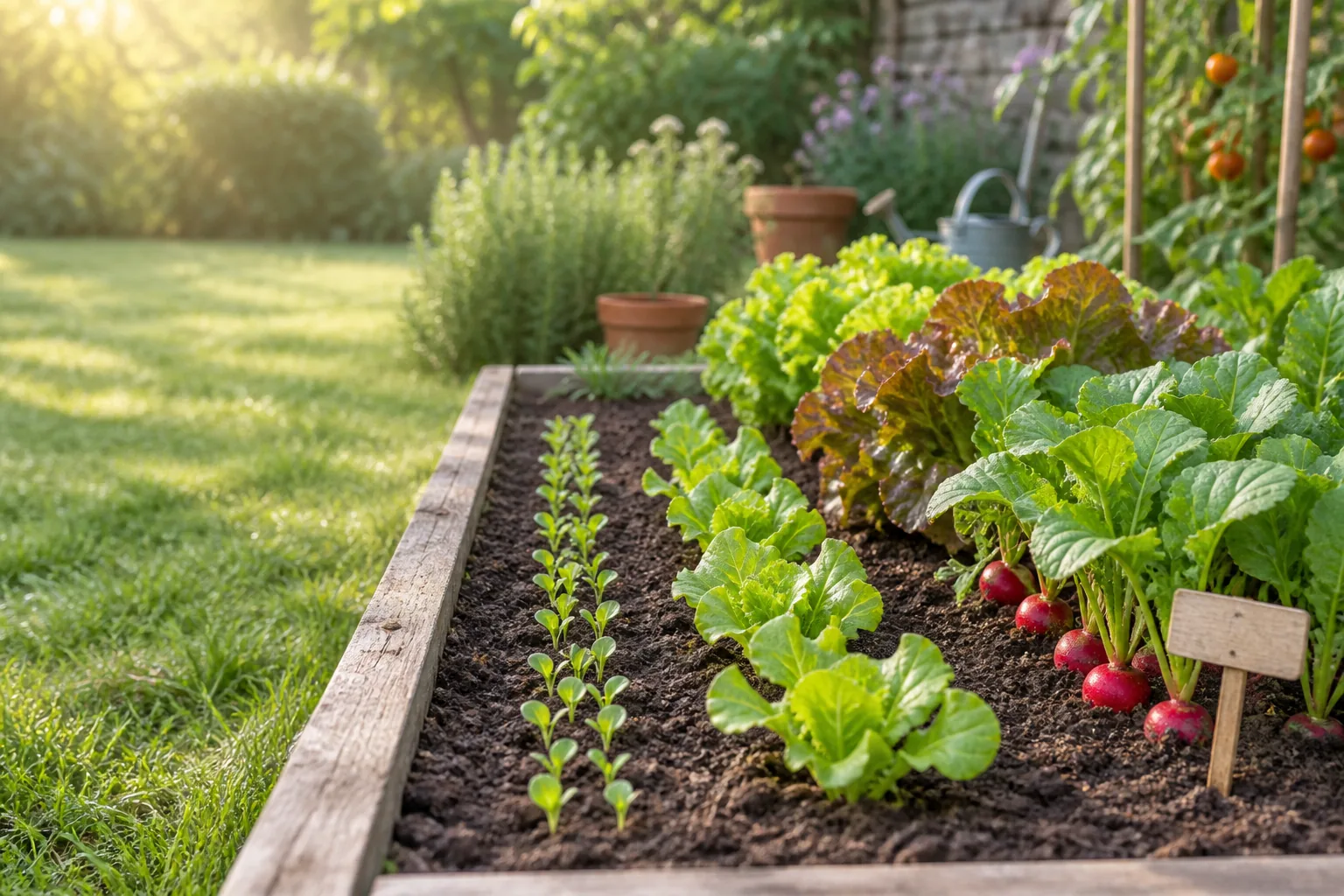
There is no universal seed-starting calendar. Build one by counting backward from a local last-frost reference, then check the packet window and whether your indoor space can support the seedlings.
Working boundary: This page organizes observations and the next decision; it does not replace a professional, local rule, or veterinary advice.
Before you start
Prepare one sheet, the applicable official sources, and a place to record what changes. If information is missing, mark it unknown instead of filling the gap with a guess.
Decision table
| Item | What it shows | Next move |
|---|---|---|
| Tomato | 6–8 weeks before | Warm light and room to pot up |
| Pepper | 8–10 weeks before | Longer indoor window and steady warmth |
| Brassica | 4–6 weeks before | Cooler conditions and timely hardening off |
A five-step procedure
- Define the scope and the specific question.
- Collect the relevant observations, dates, measurements, or documents.
- Compare them with the table without turning uncertainty into certainty.
- Take the low-risk action that answers the next question.
- Record the result and revisit it at the stated update trigger.
Worked example
If the reference date is May 15 and the packet says six weeks before, count back 42 days: the target is April 3. Treat April 3 as a planning estimate, not a promise; a cold spring, weak light, or a packet instruction for your variety can move the decision.
When to stop or ask for help
- Stop if a person, animal, building, or sensitive data could be put at risk.
- Escalate if the source is unknown, the problem persists, or a rule depends on destination.
- Do not turn a household measurement or observation into a diagnosis.
Keep a useful record
Record the date, source checked, decision made, and review trigger. Revisit the sheet when an official rule, season, treatment, variety, or home condition changes.
Related reading: small vegetable garden · harden off seedlings · succession sowing.
Sources and limits
The University of Maryland Extension seed-starting guidance supports working from crop timing and growing conditions. Use NOAA climate information as a reference for local frost context, and follow the crop-specific seed packet for its stated window.
This guide is deliberately a preparation method, not a guarantee of an outcome. Keep the evidence behind your decision: a measurement, photo, date, official instruction, or open question. That record makes the next conversation more precise and prevents repeating the same step without new information. Keep the checklist with the relevant records so another person can understand the decision.